Why Bank Cord Tissue?
Some of our clients at New England Cord Blood Bank have elected to do more than banking cord blood. Our team can also bank a portion of the actual tissue that makes up the umbilical cord.
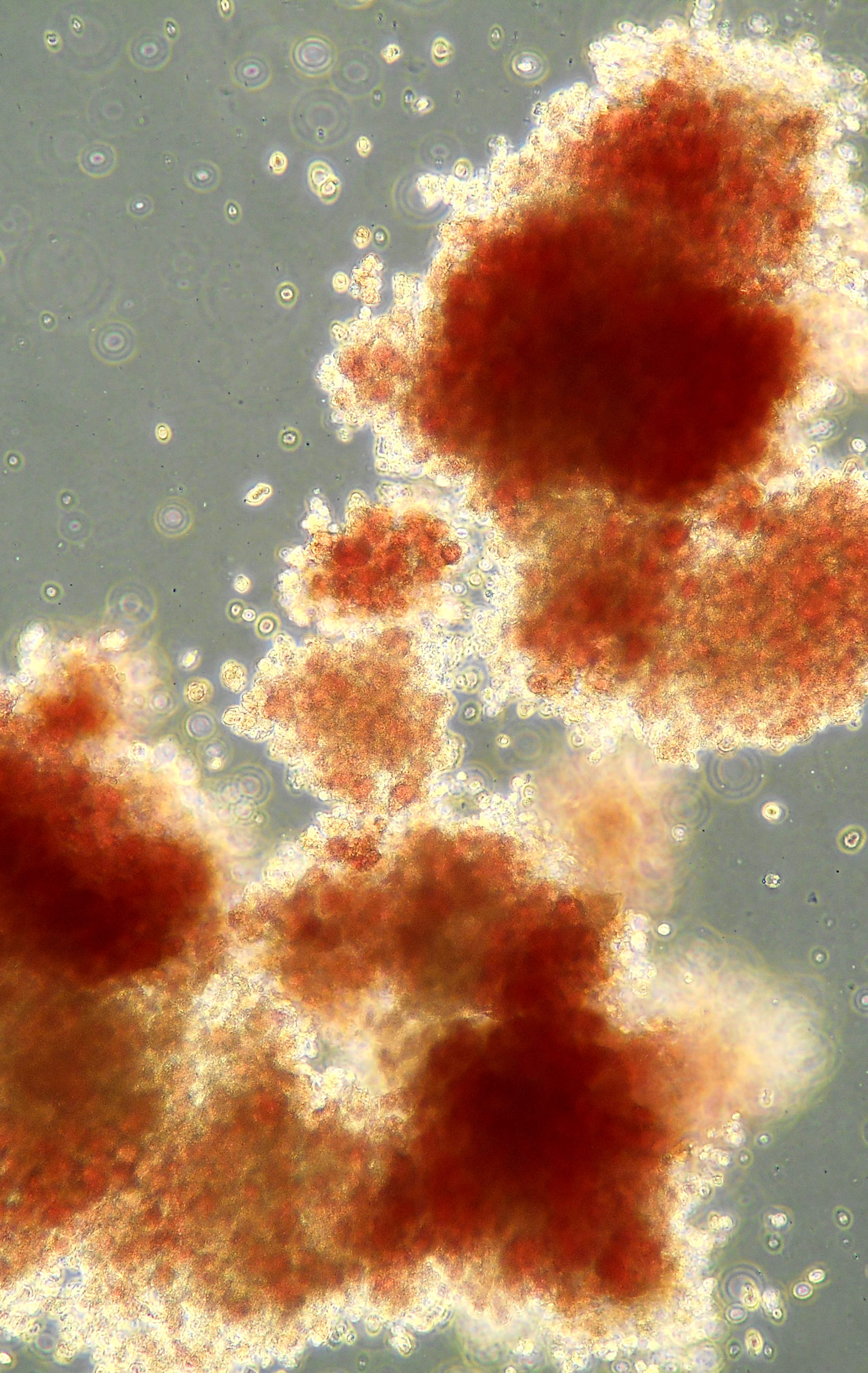
Cord Tissue is plentiful in Mesenchymal stem cells (MSCs), which form connective tissues.
They easily multiply and can differentiate into an assortment of cell types such as nerves, muscle, cartilage, and even bone.
- Nerves
- Muscle
- Cartilage
- Bone
Remember this opportunity can be had simply by storing your baby’s cord tissue in a Springfield area cord tissue storage bank.
Reach Out To The NECBB Team
Benefits of Cord Blood and Tissue Banking in Springfield

Health
Saving these stem cells offers the potential to save your baby’s life, or another family member’s life.

Affordability
On a 20 year plan, cord blood banking breaks down to less fifty cents a day.

It's easy
The cord blood and cord tissue collection process is simple and painless to the baby and mother.

Access
Banking stem cells means no lengthy waits or expenses that come with finding a donor match in a public bank.

The Future
Your stem cells have the potential to be used in an increasing number of potential therapies.
Springfield MA Cord Blood Tissue Banking Benefits
The benefits of umbilical cord tissue banking are practically infinite. Because it contains MSCs, and can expand easily, it can be used for a wide variety of cell types. As further research progresses into the future, you could see it used to create and repair bone, muscle, skin, fat, cartilage, and possibly even neurons. The possibilities of what can be done with cord tissue stem cells is exciting.
Currently, the stem cells harvested from cord tissue have not been approved for use by the FDA, but they are being evaluated by studies conducted around the world. Some of the possibilities these studies are looking into include future treatments of cancer, diabetes, spinal cord injuries, heart disease, stroke, and many other problems.
Optimism is high that this research will provide a number of new cutting-edge therapy options from these scientists’ studies. The possible cord tissue banking benefits in Springfield could expand even further as more treatments and trials are completed each day.
Why Should You Bank Cord Tissue in Springfield?
While the decision is deeply personal, we implore you to consider all your options when it comes to banking your child’s cord blood and cord tissue in Springfield. There are a number of reasons why it is a good idea to bank your newborn’s cord blood and tissue, as many of our clients have found out over the decades.
For one, there are the health possibilities. These stem cells have the potential to save the life of your child, and your other family members. Then there is the affordability. When you use our 20-year plan, cord banking costs less than fifty cents per day. It also could not be easier. It is painless for you and your baby, and your doctor and our team will take care of all the hard work. Next, is easy access. Should something happen, you will not have to wait or pay the enormous expenses that come with trying to find a donor. Lastly, is as we discussed earlier, the future potential is incredible. With new research and testing done every day, there is no telling where stems cells could take us in the future.
The Process of Cord Tissue Collection in Springfield MA
Cord tissue collection is an extremely simple process that will be completely done between us and your delivery doctor, with no risk or pain to you and your baby. There are some things you need to take care of before your birthing day, however.
First and foremost, you need to enroll with us. We will give you a questionnaire and make sure that we have all the information we need. This needs to be done well before birth. From there we will just need everything shipped to us so we can handle the rest.
Then, you will need to bring your doctor up to speed about your intentions. They need to know that you intend to collect your baby’s cord tissue, so they can prepare everyone else involved and have the correct procedure in place once the moment comes. This will help ensure that the sample is not damaged when you ship it to us.
Add Your Collection Kit the to Hospital Bag
One last thing that you will be responsible for is bringing the collection kit to the hospital on the big day. We recommend you include it with the rest of the supplies you intend to bring. Your doctor will use the kit to collect the tissue. Once that it complete, you will need to safely ship the cord tissue to us. From there, our team will handle the rest.
Our team of professionals at New England Cord Blood Bank are experienced and know exactly how to make the cord tissue collection process as simple as possible. Once we obtain your baby’s cord, we make sure the stem cells are perfectly preserved for future use.

Possible Treatment Benefits of Cord Blood and Tissue Banking
- Acute Biphenotypic Leukemia
- Acute Lymphocytic Leukemia (ALL)
- Acute Myelogenous Leukemia (AML)
- Acute Undifferentiated Leukemia
- Chronic Lymphocytic Leukemia (CLL)
- Chronic Myelogenous Leukemia (CML)
- Juvenile Chronic Myelogenous Leukemia (JCML)
- JuvenileMyelomonocytic Leukemia (JMML)
- Non-Hodgkin’s Lymphoma
- Prolymphocytic Leukemia
- Multiple Myeloma
- Acute Myelofibrosis
- Agnogenic Myeloid Metaplasia (Myelofibrosis)
- Aplastic Anemia (Severe)
- Essential Thrombocythemia
- Fanconi Anemia
- Myelodysplastic Syndrome
- Paroxysmal Nocturnal Hemoglobinuria (PNH)
- Polycythemia Vera
- Pure Red Cell Aplasia
- Refractory Anemia with Excess Blasts (RAEB)
- Refractory Anemia with Excess Blasts in Transition (RAEB-T)
- Refractory Anemia with Ringed Sideroblasts (RARS)
- Sickle Cell Disease
- DiGeorge Syndrome
- Severe Combined Immunodeficiency Diseases (SCID)
- Kostmann Syndrome (SCID)
- Omenn Syndrome (SCID)
- Gaucher Disease
- Hunter Syndrome (MPS-II)
- Hurler Syndrome (MPS-IH)
- Krabbe Disease
- Maroteaux-Lamy Syndrome (MPS-VI)
- Metachromatic Leukodystrophy
- Mucolipidosis II (I-cell Disease)
- Niemann-Pick Disease
- Sanfilippo Syndrome (MPS-III)
- Scheie Syndrome (MPS-IS)
- Sly Syndrome (MPS-VII)
- Wolman Disease
Our Annual Storage Plan Guarantee
If you make the decision to enroll in our annual plan, your storage will not go up at any point for the duration of the time you store your stem cells with us. Other cord blood and cord tissue banks in Springfield will increase their annual storage fee, but we want to offer our clients stability and peace of mind.
Contact us today and a member of our team can help clear up any confusion you may have. At New England Cord Blood Bank, we are here to assist you with your tissue banking needs in Springfield.