
Benefits of Banking Cord Blood
The process of cord blood banking in Ft. Lauderdale involves collecting and preserving the cord blood found in the baby’s umbilical cord immediately after birth. Choosing to bank cord blood is a one-time opportunity that happens only during delivery, yet it provides long-term potential for medical support. By banking cord blood, families gain added protection and access to treatments that may help with chronic, acute, and life-altering illnesses. For many parents, cord blood banking offers peace of mind and an added layer of security for the future.
Cord blood stem cells have been used in treatment therapies for more than eighty conditions, such as:
- Genetic disorders
- Blood-related diseases
- Immune system deficiencies
- Certain cancers
- And additional medical concerns
This valuable resource can be secured simply by choosing a cord blood storage provider or a blood cord bank in the Ft. Lauderdale area.
Reach Out to the NECBB Team
Benefits of Cord Blood and Tissue Banking

Health
Saving these stem cells offers the potential to save your baby’s life, or another family member’s life.

Affordability
On a 20 year plan, cord blood banking breaks down to less fifty cents a day.

It's easy
The cord blood and cord tissue collection process is simple and painless to the baby and mother.

Access
Banking stem cells means no lengthy waits or expenses that come with finding a donor match in a public bank.

The Future
Your stem cells have the potential to be used in an increasing number of potential therapies.
Treatment Benefits of Banking Cord Blood in Ft Lauderdale
Cord blood stem cells have been used in more than 35,000 transplants worldwide and are currently approved for treating over 80 diseases. These stem cells can support therapies for metabolic disorders, immune issues, blood conditions, and several cancers. For many families, choosing cord tissue banking or cord blood banking offers a powerful way to support future treatment options for their child or other family members.
Better Understanding of Cord Blood
Cord blood is the remaining blood within the umbilical cord after the baby is delivered and the cord is cut. It contains a high concentration of hematopoietic stem cells, similar to those found in bone marrow. The importance of storing cord blood lies in its ability to help rebuild or support the immune system. This is why families often choose the storage of cord blood as part of their long-term health planning.
Many Uses of Umbilical Cord Blood
Cord blood is one of the least controversial and most accessible sources of stem cells, offering a fast and painless way to collect them. When compared to bone marrow, cordblood offers clear advantages: it is easier to obtain, generally requires a less exact donor match, and can be stored frozen for years. While bone marrow typically needs a 100% match, cord blood transplants have shown success with partial matches. This makes storing cord blood through cordblood banking especially valuable for treating conditions like leukemia, lymphoma, and various immune-related diseases.
Ft Lauderdale Cord Blood Collection Process
Many expectant parents want to know how cord blood collection works. Your Ft. Lauderdale cord blood bank will collect both cord blood and cord tissue through a simple, safe procedure performed immediately after delivery with no risk to you or your baby.
1. Enroll with NECBB
Enrollment should occur before your due date. Once you register and complete the required forms, you will receive your collection kit, which is necessary for your medical team to collect and store cord blood after birth.
2. Inform Your Doctor
Of course, your delivery doctor needs to be informed that you intend to collect your baby’s cord blood, so the proper precautions can take place to ensure it is done so safely and with no contamination.
3. Bring Your Collection Kit to the Birth
Include your collection kit with your hospital bag. Your doctor will use it to collect the cord tissue and cord blood safely. Once the samples are shipped to your blood cord bank, they are processed and placed into secure blood cord storage for long-term preservation.
The trained team at New England Cord Blood Bank handles the rest, giving you peace of mind on your delivery day.
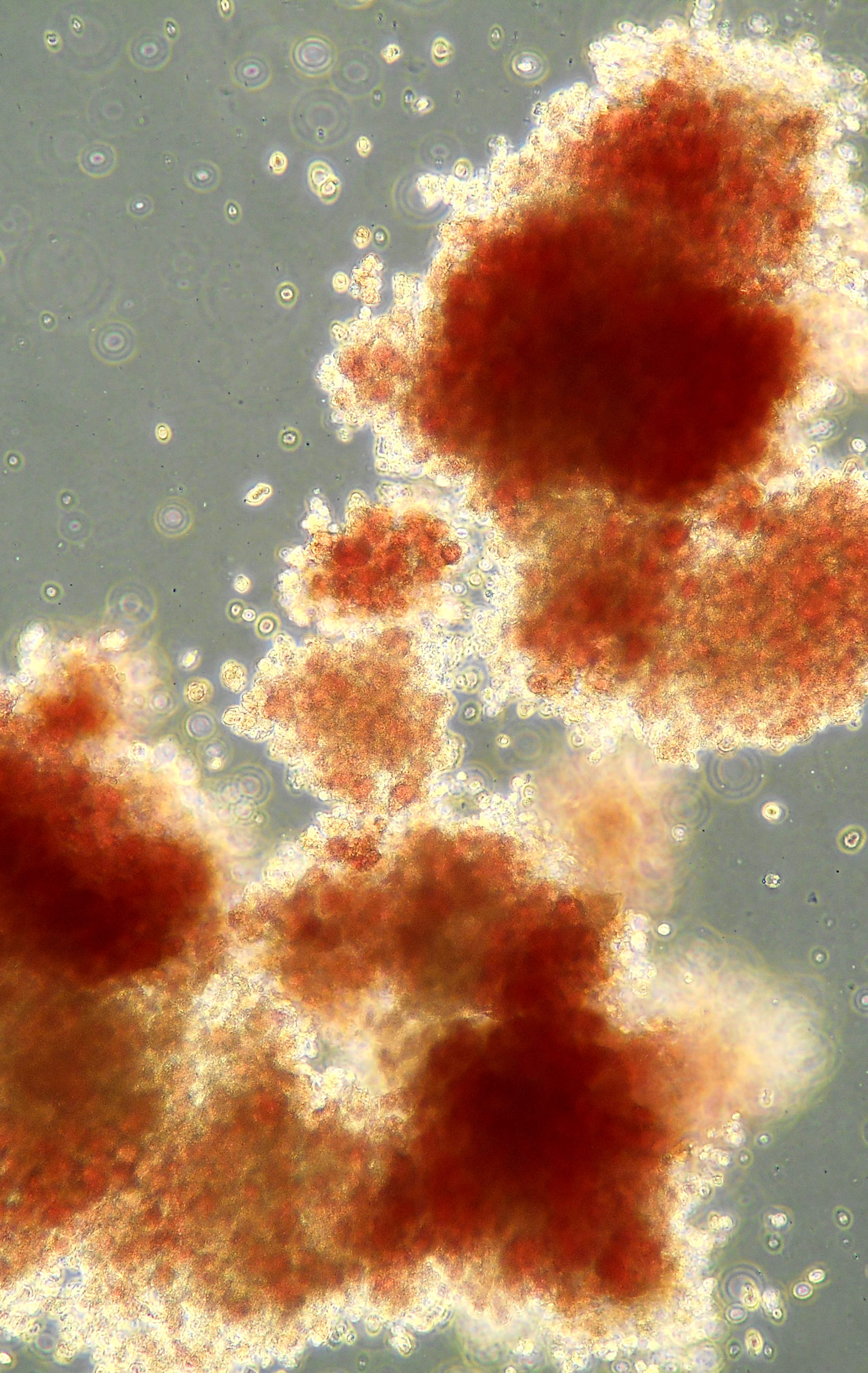
Possible Treatment Benefits of Cord Blood and Tissue Banking
- Acute Biphenotypic Leukemia
- Acute Lymphocytic Leukemia (ALL)
- Acute Myelogenous Leukemia (AML)
- Acute Undifferentiated Leukemia
- Chronic Lymphocytic Leukemia (CLL)
- Chronic Myelogenous Leukemia (CML)
- Juvenile Chronic Myelogenous Leukemia (JCML)
- JuvenileMyelomonocytic Leukemia (JMML)
- Non-Hodgkin’s Lymphoma
- Prolymphocytic Leukemia
- Multiple Myeloma
- Acute Myelofibrosis
- Agnogenic Myeloid Metaplasia (Myelofibrosis)
- Aplastic Anemia (Severe)
- Essential Thrombocythemia
- Fanconi Anemia
- Myelodysplastic Syndrome
- Paroxysmal Nocturnal Hemoglobinuria (PNH)
- Polycythemia Vera
- Pure Red Cell Aplasia
- Refractory Anemia with Excess Blasts (RAEB)
- Refractory Anemia with Excess Blasts in Transition (RAEB-T)
- Refractory Anemia with Ringed Sideroblasts (RARS)
- Sickle Cell Disease
- DiGeorge Syndrome
- Severe Combined Immunodeficiency Diseases (SCID)
- Kostmann Syndrome (SCID)
- Omenn Syndrome (SCID)
- Gaucher Disease
- Hunter Syndrome (MPS-II)
- Hurler Syndrome (MPS-IH)
- Krabbe Disease
- Maroteaux-Lamy Syndrome (MPS-VI)
- Metachromatic Leukodystrophy
- Mucolipidosis II (I-cell Disease)
- Niemann-Pick Disease
- Sanfilippo Syndrome (MPS-III)
- Scheie Syndrome (MPS-IS)
- Sly Syndrome (MPS-VII)
- Wolman Disease
We Are Here For You
The decision to bank the cord blood from your child’s birth might seem a little out there, and something that you need to think about long and hard. This is totally understandable, and we have seen it with a number of our clients who ultimately made the decision to bank their newborn’s cord blood and tissue.
We would be happy to explain anything you might be confused about and help you understand the true benefits of cord blood. We are here to help you and your family with cord blood banking in Ft Lauderdale!